Designing AI systems for real‑world decisions.
From ambiguous inputs to structured reasoning, deterministic execution, and human-verified outcomes.
Hanyu Liu — AI product and systems design. Architecture and spatial research first, then manufacturing operations, now AI systems built and validated on real work, by one person working with AI coding agents under direction.
Featured case study
An AI quoting system for a garment manufacturer, in validated use inside the company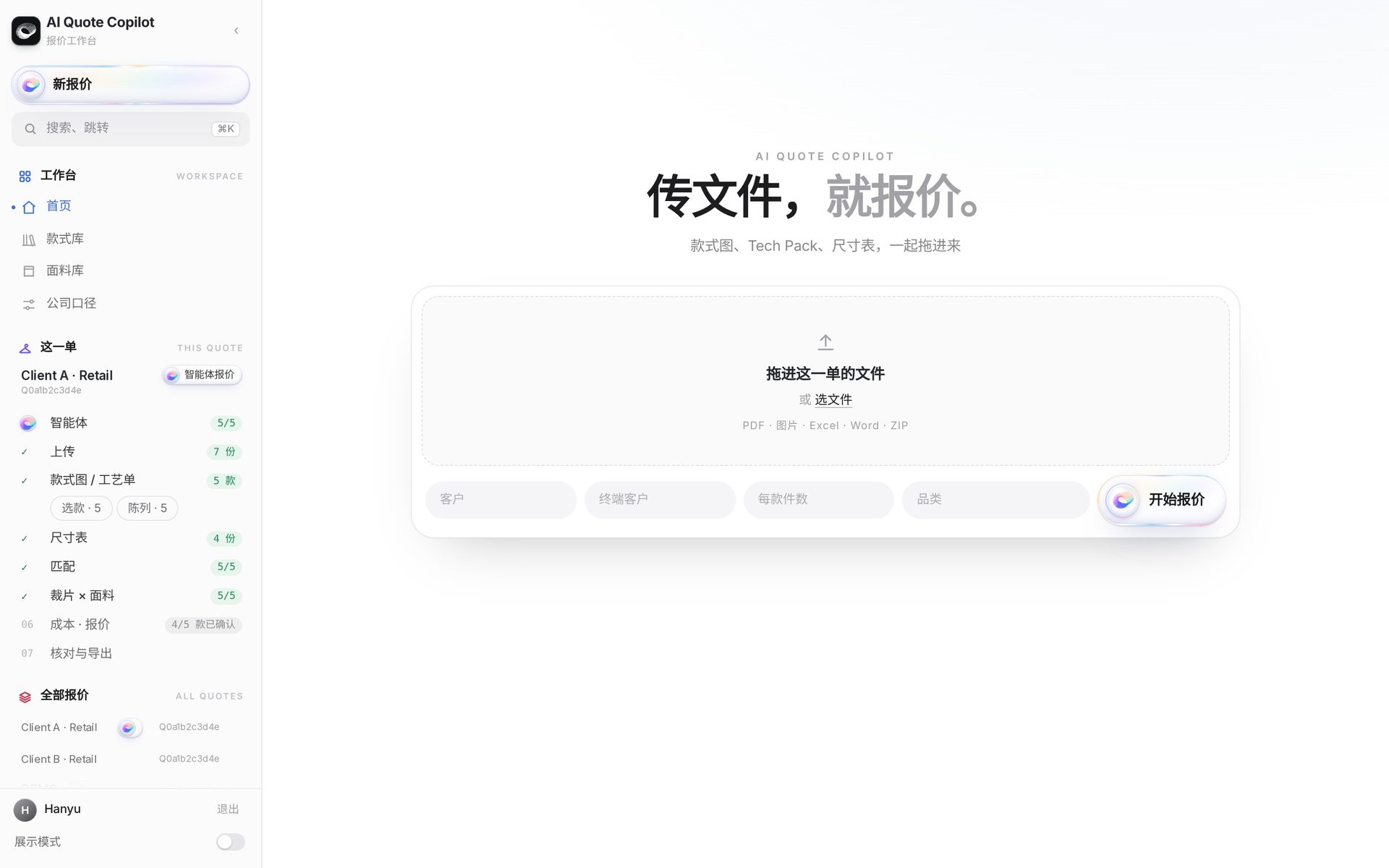
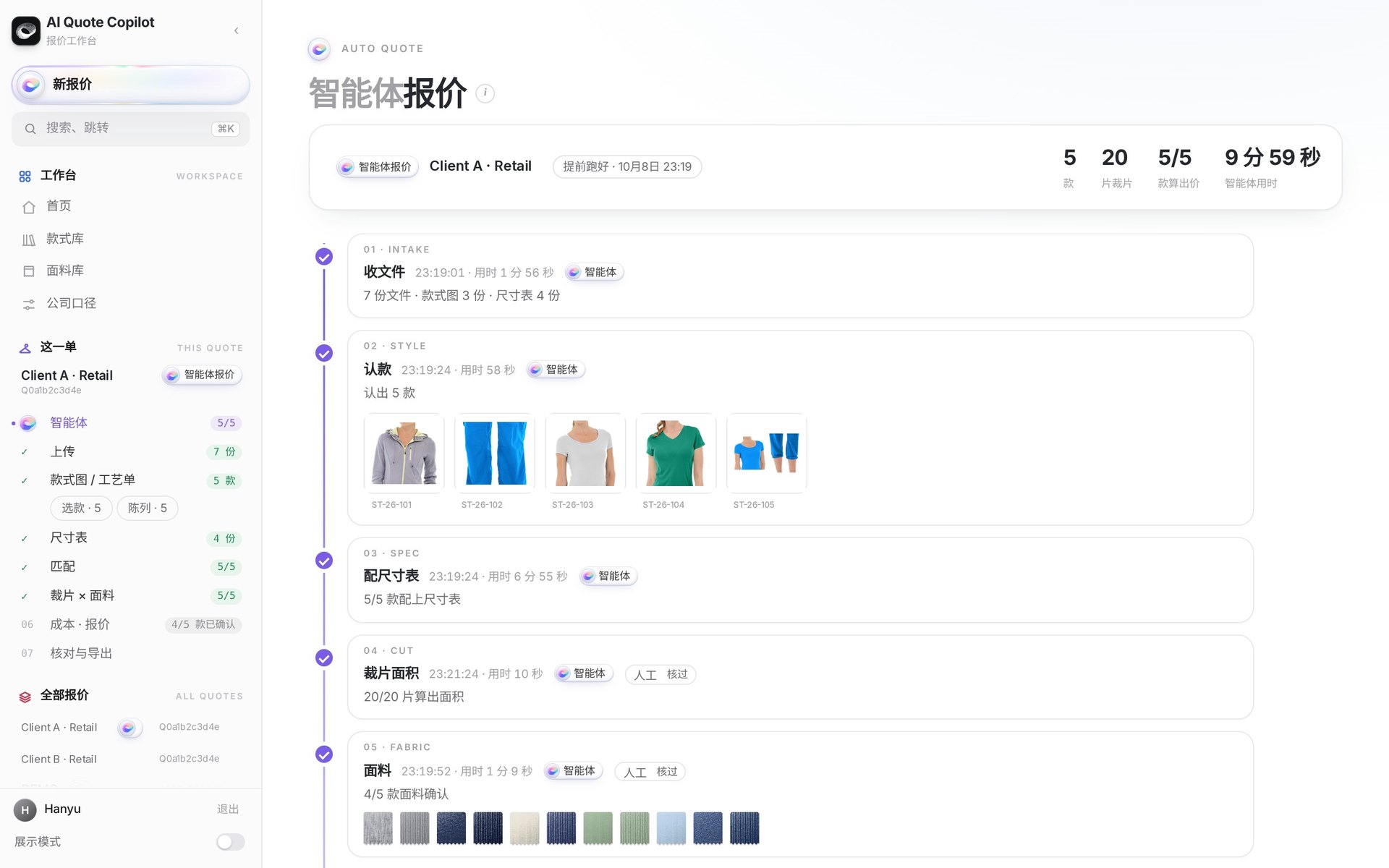
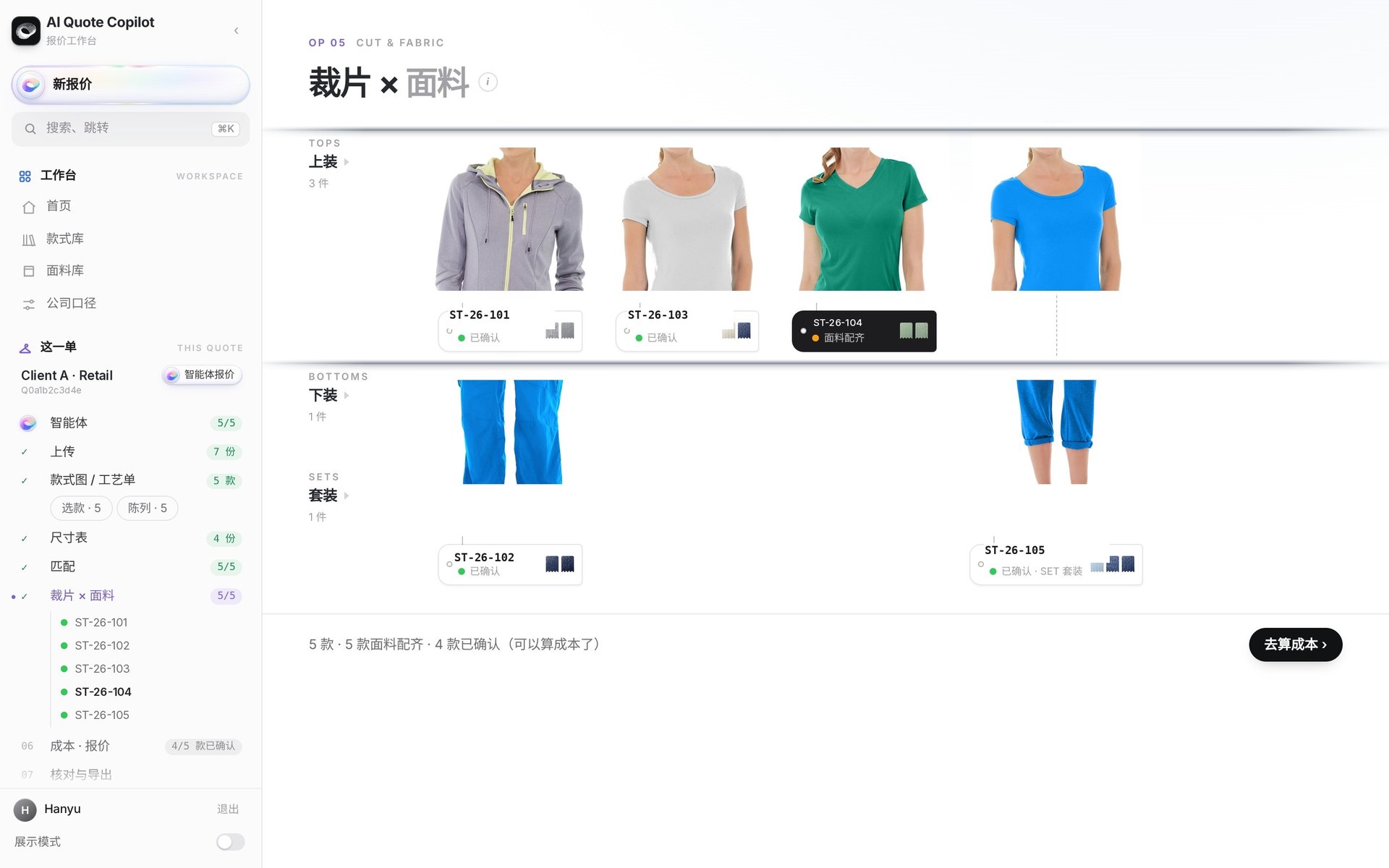
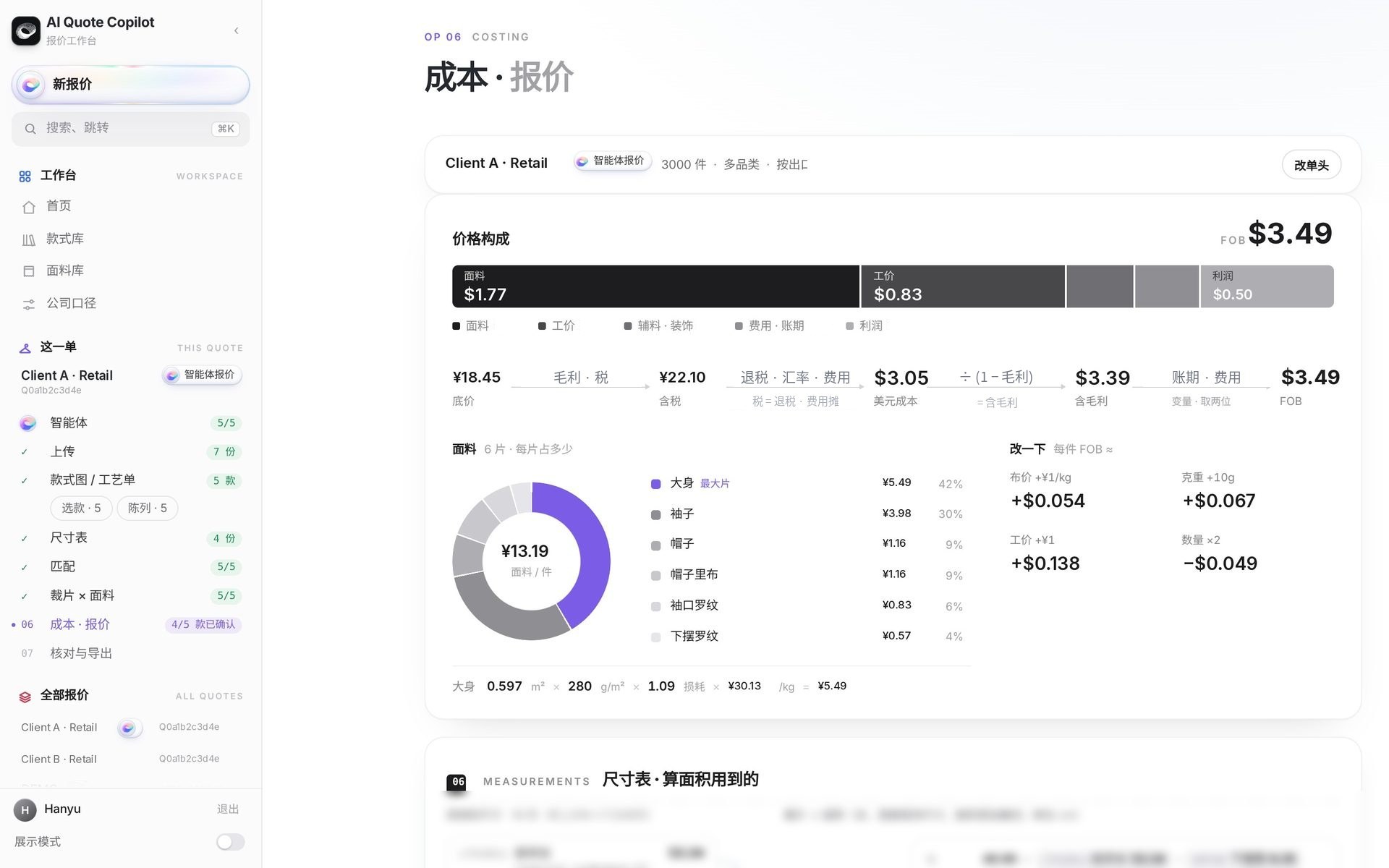
AI Quote Copilot
Tech packs, size charts and emails in. A quotation a factory can sign out.
A language model reads the inquiry; a rule engine does every calculation; a person confirms anything the evidence does not settle. Each number traces back to the line it came from.
- 0.64%mean system computation error on 149 reviewed quotes
- 216 quotes from 26 real inquirieschecked line by line against human costing
- 184 builds in about ten weeksevery reviewer finding becomes a rule and a regression case
Selected systems
Four more systems, each built around a different kind of reasoning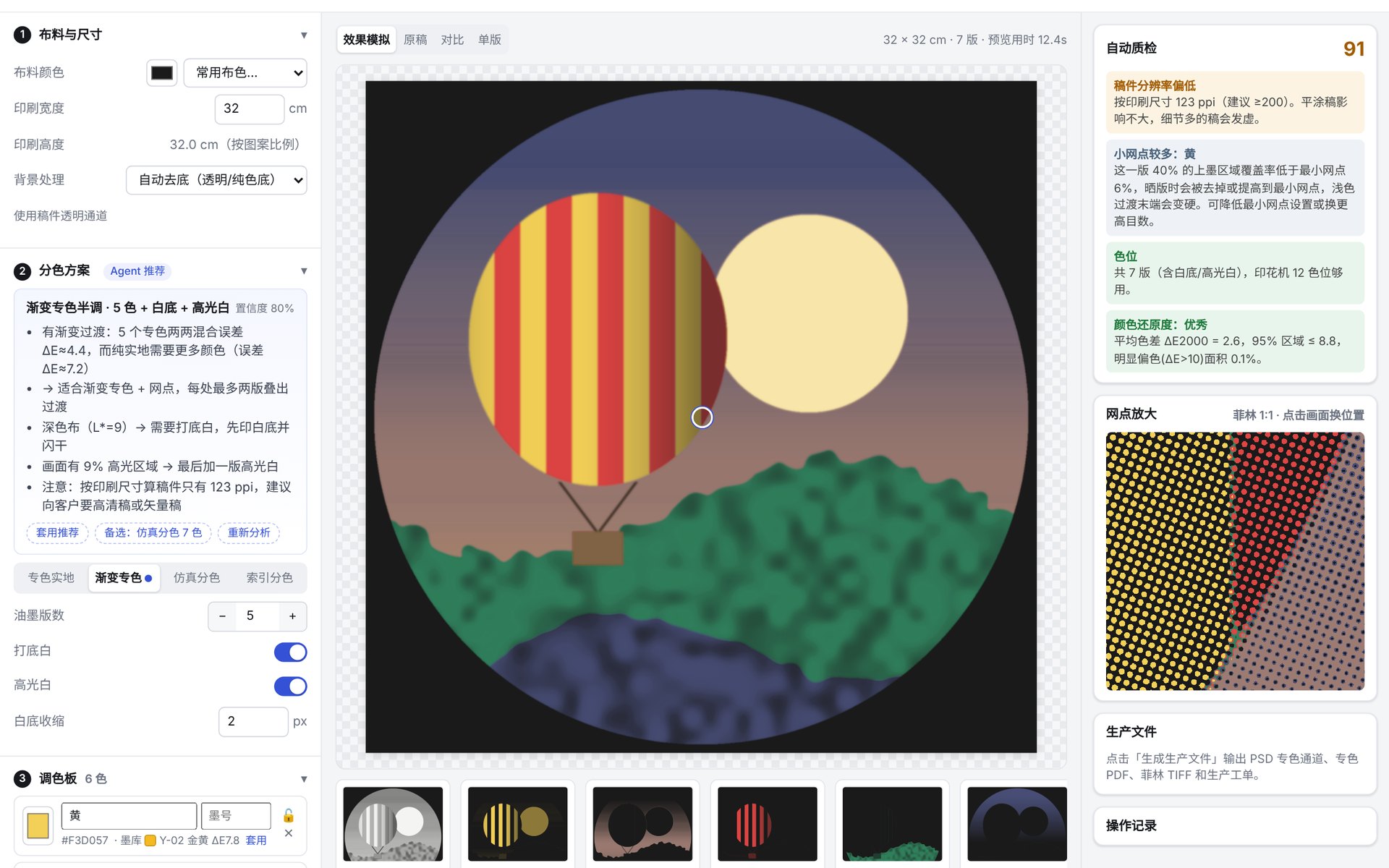 Hover or tap: plates, compare, halftone zoom
Screen Print Separation
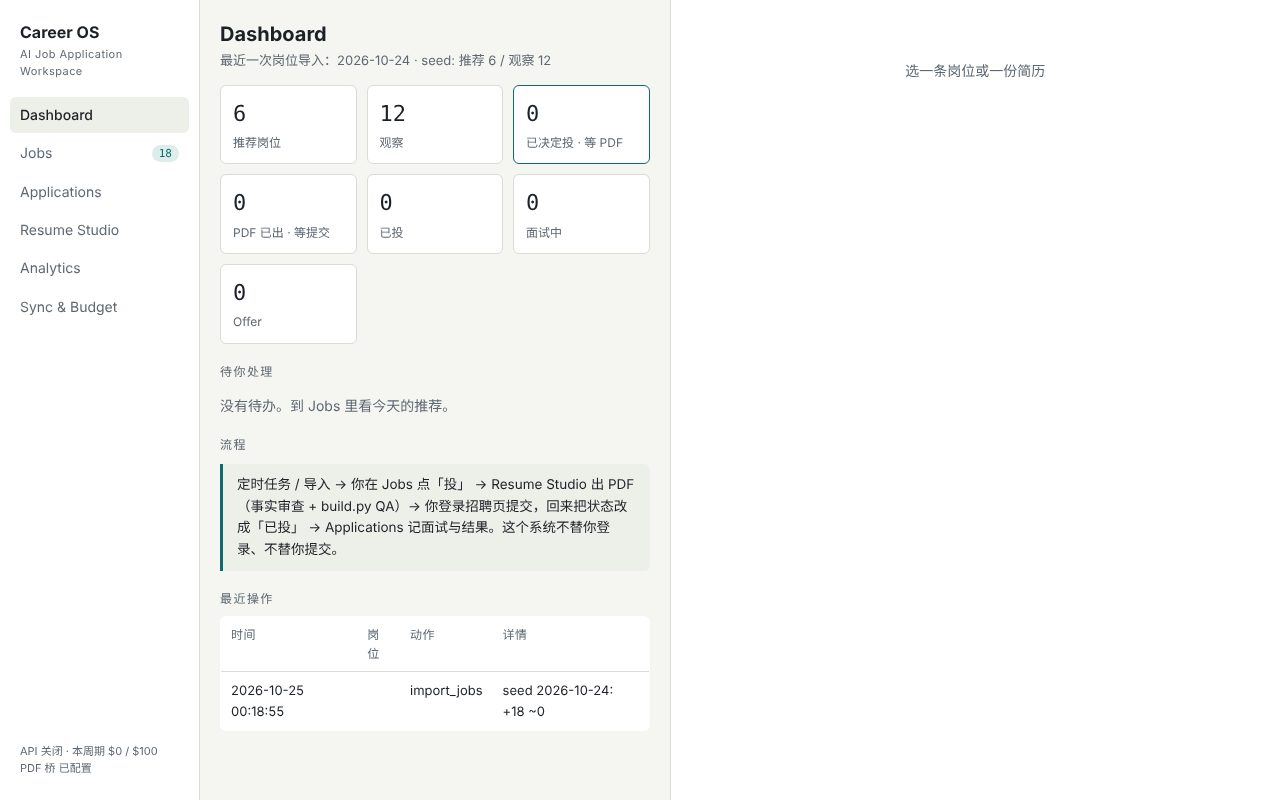
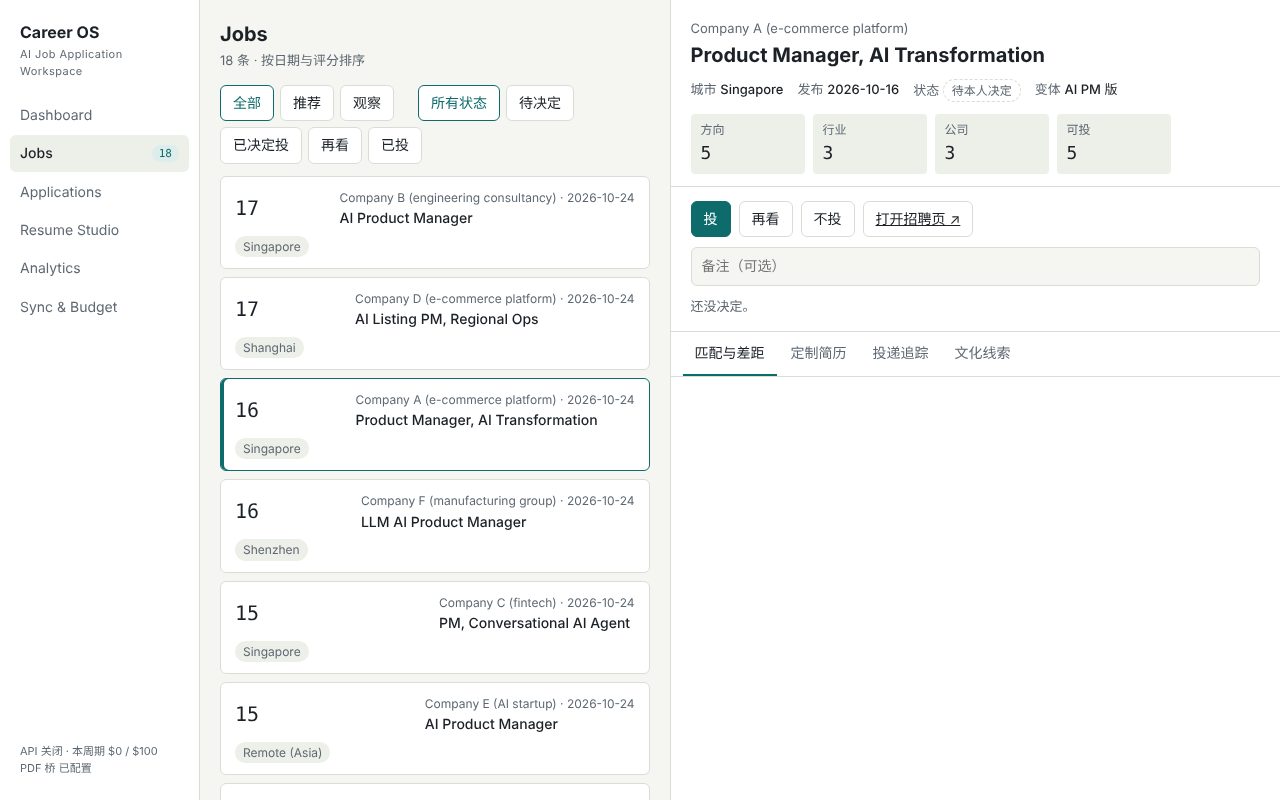
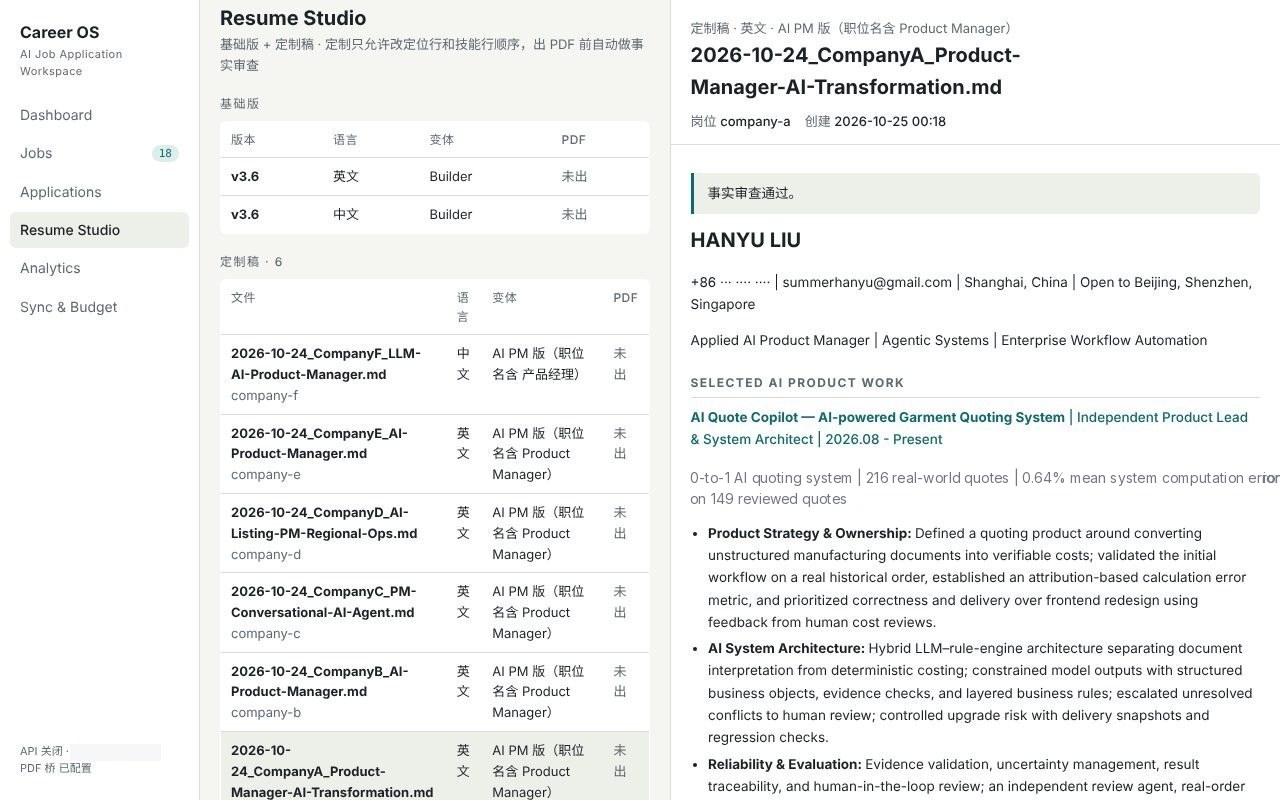
Career OS
SizeSpec, geometry reasoning
Geospatial Intelligence
Design and experiments
Where the design background shows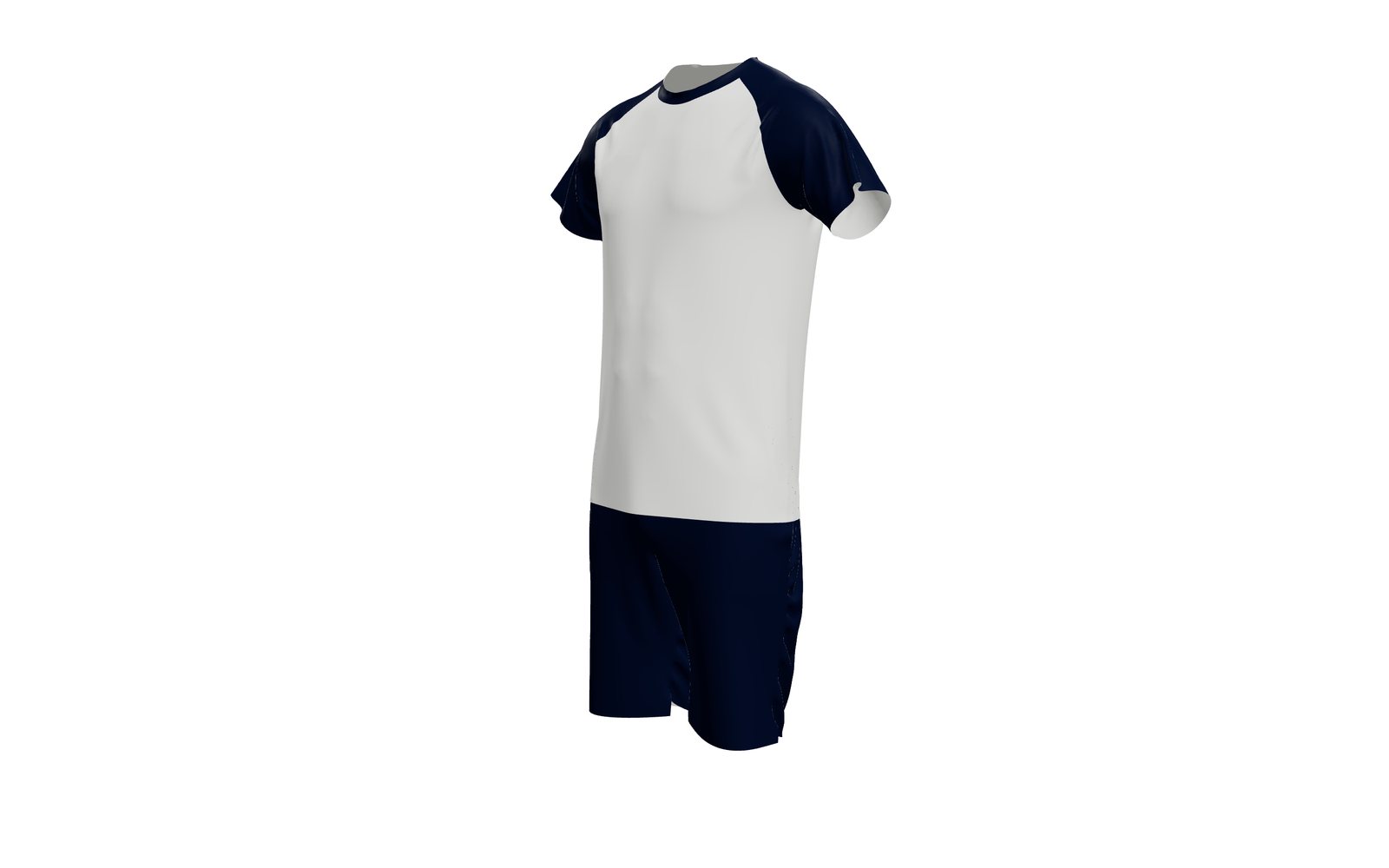
How I think
Three habits that recur in every projectDesign for uncertainty.
Decide first which judgments may be probabilistic and which must be exact. In the quoting system the model reads and proposes; the arithmetic never leaves the rule engine.
Build for reliability.
Nothing the model says becomes a business fact until it is checked against evidence. Unsettled items are held for a person; every reviewer finding becomes a rule and a regression case.
Validate in the real world.
Measure on real orders, with the error defined narrowly enough to mean something: system computation error, net of human-set parameters and business terms, on quotes a person reviewed line by line.